
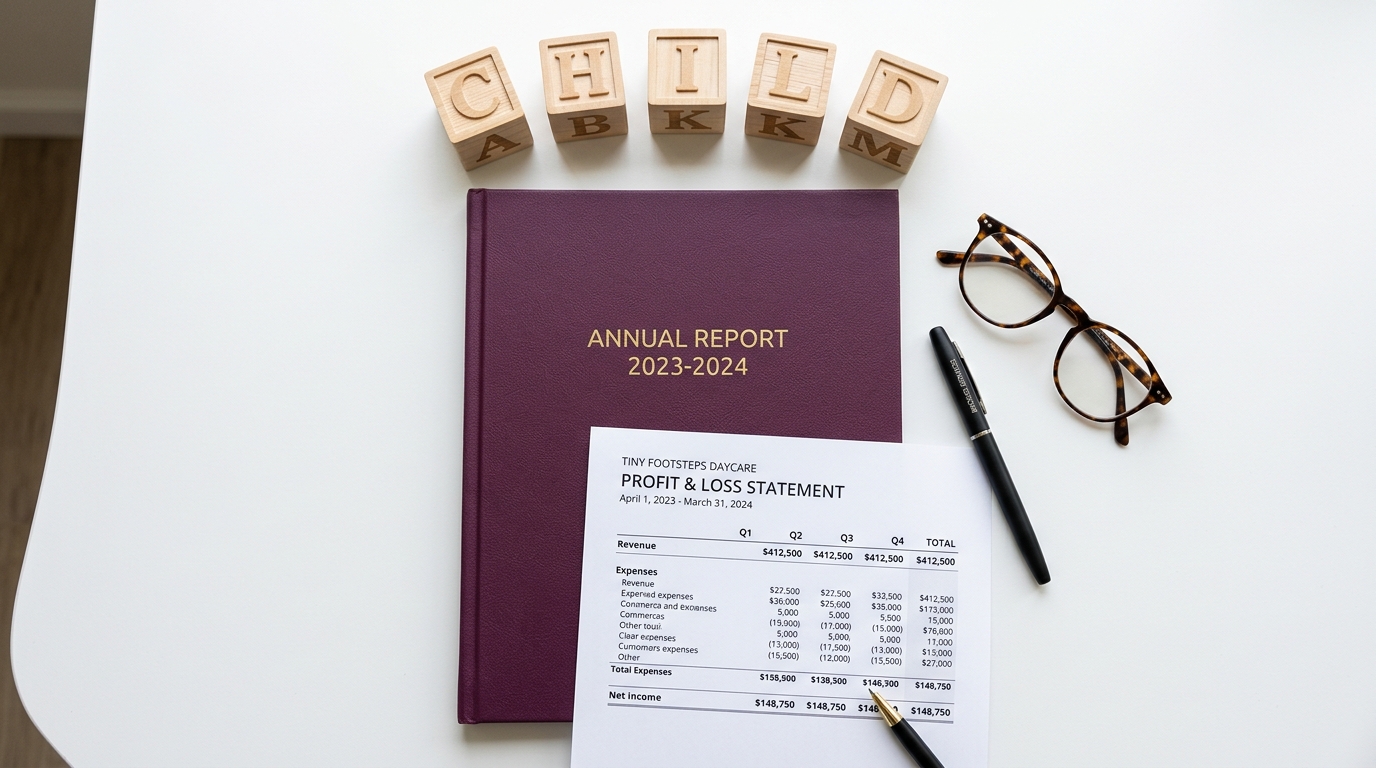
When you’re preparing to sell your preschool, few words strike more fear — or confusion — than “due diligence.” It sounds formal and imposing, but it doesn’t have to be overwhelming. In fact, due diligence is one of the most important phases of the sale — and one that you can absolutely be ready for with the right preparation and guidance.
What Is Due Diligence?
Due diligence is the verification process that happens after an offer is accepted but before the deal closes. The buyer requests documentation to verify your school’s finances, operations, licensing, and everything else that was represented in the listing. Think of it like a home inspection for your business — except instead of checking the roof and plumbing, they’re reviewing tax returns and staff rosters.
This phase typically lasts 30 to 60 days and involves your agent, the buyer’s advisors, and often their lender. The goal is to confirm that what the buyer agreed to purchase is exactly what they’re actually getting.
What Buyers Will Ask For
Every due diligence process looks a little different, but here’s a list of documents you should be ready to provide:
- Three years of federal business tax returns
- Current year-to-date profit and loss statement
- Bank statements for the last 24–36 months
- Payroll reports and a complete employee roster with compensation
- Your lease agreement, including all amendments and renewal options
- Current state childcare license and any inspection reports
- Enrollment history by month for the past two to three years
- Current tuition rate schedule
- Copies of any COVID-era grants received and how they were used
- Equipment list (FF&E) with approximate values
If you’re not sure where some of these are right now, that tells you where to focus your preparation.
Why Due Diligence Can Make or Break Your Deal
Here’s a real scenario. A childcare owner received a letter of intent for $820,000. During due diligence, the buyer’s team discovered the school had received $75,000 in EIDL grant funds that hadn’t been disclosed and were still potentially subject to audit. The seller hadn’t intentionally hidden anything — they genuinely hadn’t realized the grant created a disclosure requirement. But the buyer treated it as undisclosed risk and reduced their offer by $50,000 to account for potential liability.
The deal closed at $770,000 instead of $820,000. That $50,000 reduction was entirely avoidable with proactive disclosure and documentation.
Common Mistakes Preschool Sellers Make
- Waiting to organize documents until a buyer is in the process. Scrambling to find three-year-old records under closing-deadline pressure is stressful and creates delays that frustrate buyers and can kill deals.
- Not reconciling QuickBooks to tax filings. If your P&L shows $200,000 in net income but your tax return shows $130,000, a buyer will want an explanation. If you can’t explain it clearly, they assume the worst.
- Being slow to respond to document requests. Every day you take to produce a requested document is a day the buyer’s confidence erodes. Fast, organized responses signal a well-run business.
- Assuming buyers will just trust them. Buyers are investing hundreds of thousands of dollars. They will verify everything. Trust comes from documentation, not assurances.
How to Set Yourself Up for a Smooth Due Diligence Process
- Create a digital folder system now — organized by year and category — and populate it with tax returns, P&Ls, and key operational documents.
- Reconcile your bookkeeping quarterly and keep your year-to-date P&L current at all times.
- Pull your state childcare licensing file and make sure all inspection reports and any corrective action plans are documented and resolved.
- Review your lease and understand exactly what it says about assignment and transfer.
- Work with a childcare-specialized agent who has navigated due diligence before and knows what buyers and lenders will ask — so you can be ready before the questions come.
What This Means for You
Sellers who enter due diligence prepared don’t just close faster — they close at better prices. When a buyer sees organized records, consistent financials, and a responsive seller, they feel confident. That confidence reduces the urge to ask for price concessions or pile on contingencies. A disorganized due diligence process, on the other hand, gives buyers ammunition and leverage they wouldn’t otherwise have. The time you invest in preparation before you list is the best return on investment in the entire sale process.