
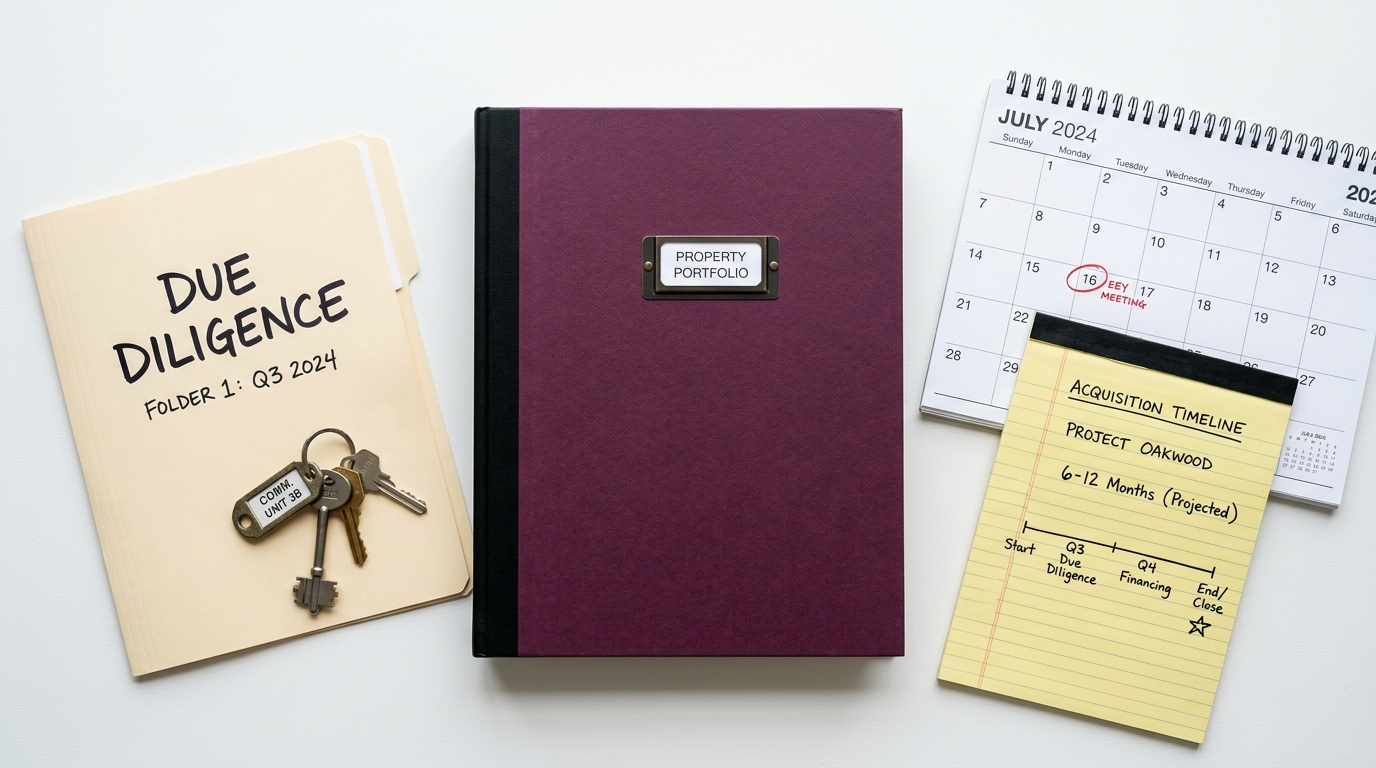
One of the most common questions I get from preschool owners who are thinking about selling is: “How long is this actually going to take?” It’s a fair question, and the honest answer is: it depends. But I can give you a realistic framework based on what I actually see in the childcare brokerage market.
The short version: from the day a preschool hits the market to the day a seller gets to the closing table, most deals take somewhere between 6 and 12 months. Some move faster. Some take longer. Here’s what drives that timeline.
The Four Phases of a Preschool Sale
It helps to break the process into phases rather than thinking about it as one long wait.
Phase 1: Pre-Market Preparation (4–8 weeks)
Before a preschool ever goes to market, there’s groundwork to do. That means organizing three years of financial documents, building an accurate SDE calculation with add-backs, gathering enrollment records, confirming the lease situation, and preparing the marketing materials buyers will actually need. Sellers who skip this phase — or rush through it — tend to have slower sales later. Buyers ask for documents, you scramble to find them, deals stall.
Phase 2: Finding the Right Buyer (2–6 months)
This is the phase that has the most variability. The right buyer for a preschool isn’t just someone who can write a check — they need to qualify for financing, pass background checks, get licensing approval from the state, and actually want to run a preschool long-term. In active markets with a prepared listing, I can have qualified buyers in conversations within weeks. In smaller markets or for schools with specific constraints (smaller square footage, non-standard licensing, rural location), the search can take longer.
Phase 3: Due Diligence (30–90 days)
Once a buyer and seller agree on price and terms, the buyer conducts their due diligence review. They’ll go through your financial records, verify enrollment, review the lease, inspect the facility, and confirm everything in the listing matches reality. This phase typically runs 30 to 60 days for a clean deal. If the seller has organized documentation ready, it moves quickly. If the buyer keeps finding things they have to ask about, it slows down — sometimes significantly.
Phase 4: Financing and Closing (30–60 days)
Most preschool buyers are using SBA 7(a) financing, and SBA loans take time. Typically 30 to 60 days from final loan application to closing, assuming everything is in order. The bank will do their own appraisal, underwrite the deal, and require a full documentation package. This phase has its own timeline that sellers don’t fully control — but being responsive and having your documents ready can still move things faster.
What Slows a Preschool Sale Down
Most of the deals I see take longer than they should for a handful of predictable reasons:
- Missing or disorganized financial records. If a buyer asks for three years of tax returns and you can’t find year two, the deal doesn’t stop — but it slows down every time there’s a documentation gap.
- Lease uncertainty. A short lease with no confirmed renewal is one of the most common deal-slowers in childcare transactions. Buyers need to know they have a stable operating location. If your lease has less than two years remaining and your landlord hasn’t committed to a renewal, expect longer negotiations or a reduced buyer pool.
- Licensing complications. Open violations, complaints under review, or a license that’s up for renewal at an uncertain time create risk for buyers. Lenders won’t finance a school with significant licensing exposure, and sophisticated buyers won’t close without clarity.
- Owner dependence. If you are the school — if parents trust you specifically, if you’re in the classroom every day, if no one knows how the business works without you — buyers price in a longer transition and sometimes walk away entirely. The more the business can function without you, the easier it is to sell.
- Buyer financing falling through. SBA loans get denied. Buyers lose their funding source. It happens. The best protection is working with a large enough qualified buyer pool that one financing setback doesn’t end the deal entirely.
What Speeds a Preschool Sale Up
The good news is that most of the things that slow sales down are within your control before you ever go to market.
- Three years of clean financials, organized and ready. Not in a folder you have to dig through — a complete package ready to hand to a buyer the day they ask.
- A lease with real runway. Five-plus years remaining, or a renewal already in writing from your landlord, is a meaningful advantage when selling.
- A business that runs without you in the room. A strong director, documented systems, and staff who will stay through a transition all increase buyer confidence and reduce the time buyers spend on risk assessment.
- Realistic pricing. Overpriced schools sit. The right price attracts qualified buyers quickly; an aggressive price deters the serious ones.
- Flexibility on deal structure. Sellers who can offer a seller financing component — even a small one — often close faster because it gives buyers and their lenders more options.
What If I Need to Sell Faster?
I get this question more often than you’d think. Health reasons, partnership disputes, a lease situation that’s forcing a decision — sometimes sellers don’t have 12 months.
It’s possible to close a preschool sale in 90 days. I’ve seen it done. But it requires a highly motivated seller, a clean and well-documented business, and either an all-cash buyer or a buyer with pre-approved financing already in place. You also accept less leverage on price when the timeline is compressed.
If you’re in a time-pressured situation, the earlier you start the process, the more options you have. Waiting until you’re truly urgent eliminates negotiating room.
The Bottom Line
Six to twelve months is realistic for a well-prepared preschool with a motivated seller and a realistic price. If you have clean financials, a solid lease, and a business that doesn’t depend entirely on you being there every day, you’re in the shorter half of that range. If you’re starting from scratch on documentation and have some lease or licensing issues to work through, plan for the longer end.
The best thing you can do right now — whether you’re planning to sell in six months or two years — is start getting your documents in order. The sellers who move fastest are the ones who were already prepared before they decided to sell.
If you want to talk through your specific situation and get a realistic read on your timeline, I’m happy to do that. Reach out here and we can have a confidential conversation about where you stand.