
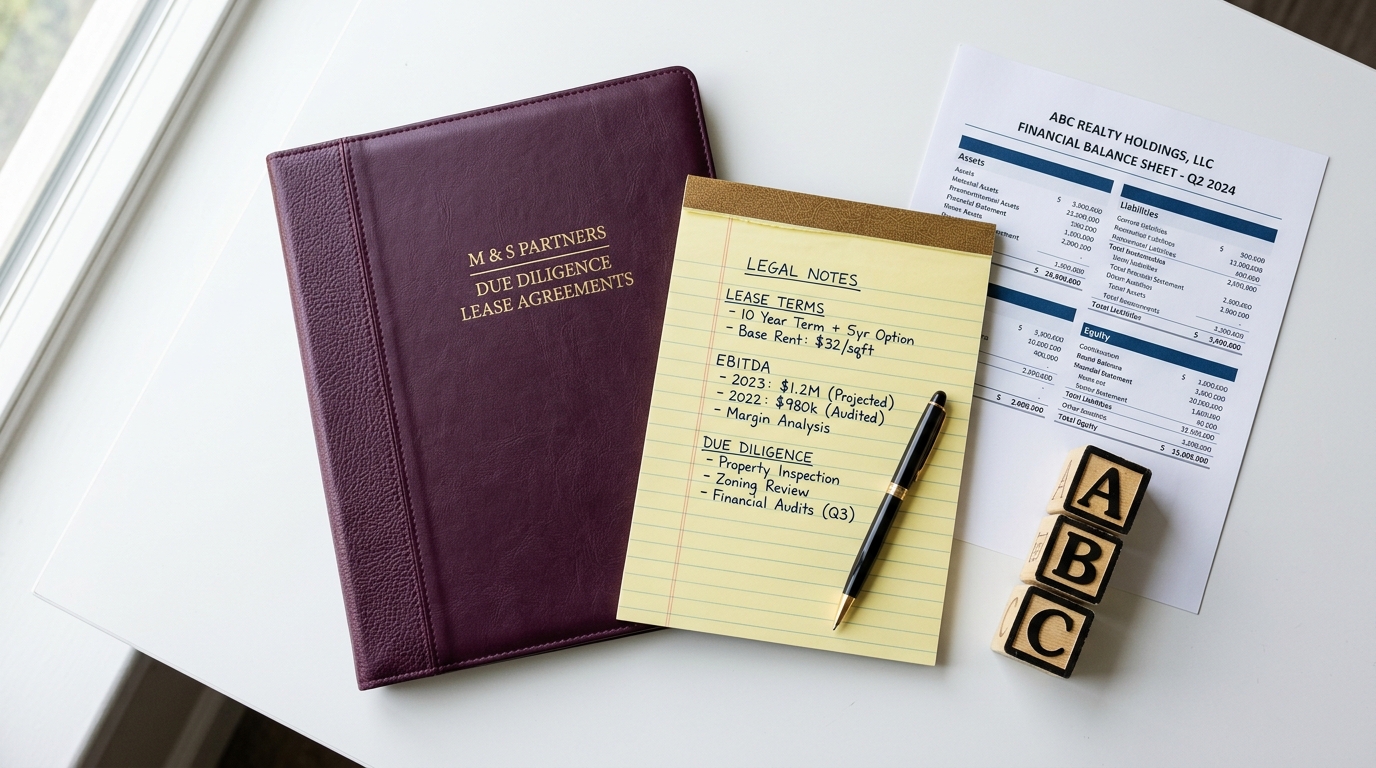
When buyers evaluate a preschool for acquisition, they’re not just looking at your P&L and enrollment numbers. They’re looking at your operations — and nothing signals “well-run business” more clearly than organized, current, comprehensive handbooks and policies. If your documentation is thin or missing, buyers see risk and price it accordingly. If it’s thorough and current, they see a business that’s ready to transfer.
Why Documentation Is a Valuation Factor
Here’s the perspective shift that matters: your handbooks and policies are not just compliance documents. They are proof that your school can operate without you.
The underlying question every buyer is asking: what happens when the seller leaves? If the answer is “the director follows documented systems and the school keeps running,” your valuation reflects that confidence. If the answer is “the owner knows everything and it’s mostly in their head,” you have an owner-dependence problem — and that reduces what buyers will pay.
In real terms: a school with strong operational documentation and a competent director might sell at 3.25x–3.5x SDE. A comparable school where everything runs through the owner might sell at 2.5x–2.75x — a difference of $125,000–$200,000 on a school with $250,000 in SDE.
The Essential Documents Buyers Want to See
Parent/Family Handbook: Covers tuition policies, pick-up and drop-off procedures, illness policies, behavioral expectations, holiday schedules, and communication protocols. A current, professional parent handbook signals that your school runs consistently and that families know what to expect.
Staff Handbook and Employee Policies: Includes onboarding procedures, job descriptions, conduct expectations, discipline procedures, salary ranges, and PTO policies. Buyers need to know what they’re inheriting in terms of labor obligations and expectations — and that your team has a clear framework to follow after you leave.
Operational SOPs (Standard Operating Procedures): How does enrollment work? How are ratios managed during staff absences? How are incidents reported? When documented, these show a buyer that your school operates systematically — not just reactively.
Emergency and Safety Protocols: Fire drill records, lockdown procedures, allergy and medication management, illness protocols. These are also licensing compliance requirements in most states, and buyers will verify them.
Curriculum Framework: Which curriculum do you use? How is lesson planning managed? How is developmental progress tracked? Buyers want to understand the academic framework so they can evaluate whether it’s a selling point to families and how complex it will be to maintain.
Common Documentation Gaps That Cost Sellers
- Outdated handbooks. If your parent handbook still references COVID policies from 2020, it signals neglect. Buyers notice.
- No job descriptions. Buyers inheriting your staff need to know who does what. Undefined roles create immediate work for the new owner.
- Policies that live in the owner’s head. “We’ve always done it this way” is not a transferable system. If you handle enrollment, parent conflicts, or staff scheduling personally without documented processes, a buyer sees that as their future workload.
- Inconsistency between what’s documented and what actually happens. Buyers will find this during due diligence by talking to your director and staff. Gaps between policy and practice signal operational risk.
How to Get Your Documentation in Order
- Audit your current handbooks. When were they last updated? Are they current and comprehensive?
- Create or update your staff handbook with job descriptions for every role.
- Document your top 10 operational procedures — starting with the ones that currently live only in your head.
- Create a transition guide: a narrative document that explains how your school operates, who the key relationships are (vendors, landlord, community partners), and what the new owner needs to know in their first 90 days.
What This Means for You
Strong documentation is one of the most cost-effective ways to increase your sale price. It costs time and effort — but not money. And a buyer who sees thorough operational documentation is a buyer who feels confident about what they’re purchasing. That confidence translates directly into offer strength. Start building your documentation library now, even if you’re 12–24 months from selling. The sellers who are most prepared for due diligence are the ones who’ve been treating their school like a transferable business all along.